The Effects of Removing Vegetation on Local Habitats
Understanding how human activities impact our environment is crucial. One such activity, land clearing, is widespread for agriculture, urban development, and logging. While it serves essential economic purposes, land clearing can have significant effects on local ecosystems and habitats. It alters landscapes, affects biodiversity, and changes water cycles. By recognizing these impacts, we can work towards more sustainable practices that balance economic growth with environmental conservation.
Loss of Biodiversity Through Habitat Destruction
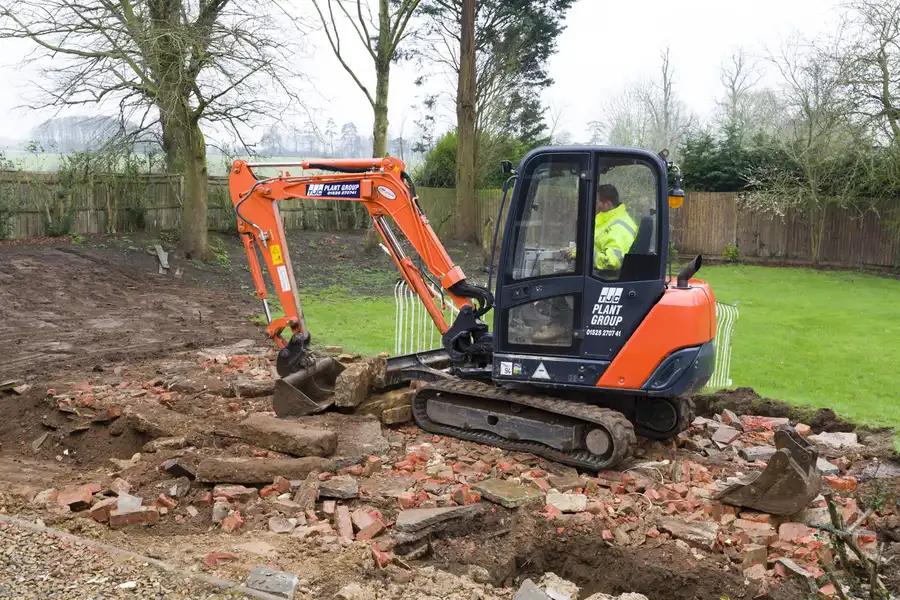
When land clearing occurs, many plant and animal species lose their homes. This practice disrupts habitats that support diverse wildlife populations. As trees and vegetation are removed, animals lose shelter and food sources. This destruction leads to a decrease in biodiversity as species struggle to adapt or relocate. The loss of certain species can have a cascading effect on the entire ecosystem, affecting everything from pollination to soil health.
Soil Erosion and Degradation Concerns
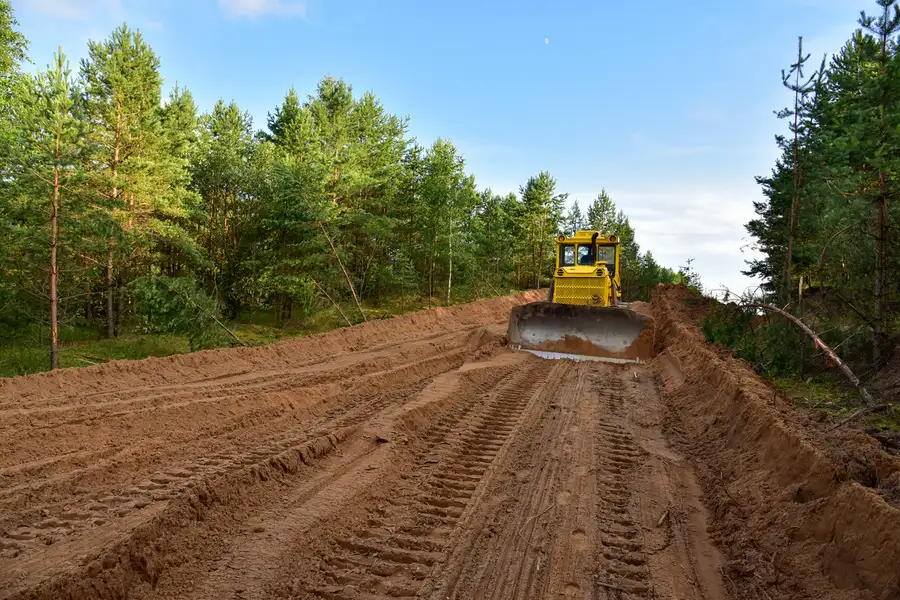
Another critical consequence of land clearing is soil erosion. Without vegetation, soil becomes vulnerable to wind and rain. This can lead to severe degradation over time. Fertile topsoil washes away, reducing agricultural productivity and increasing the risk of landslides. Soil erosion also contributes to sedimentation in rivers and lakes, affecting aquatic life and water quality.
Effects on Local Water Cycles and Resources
The removal of trees impacts local water cycles significantly. Trees play a vital role in the water cycle through transpiration, where they release water vapor into the atmosphere. When large areas are cleared, there is less transpiration. This change can alter rainfall patterns, reduce groundwater recharge, and affect local water bodies. Diminished water resources can lead to drought conditions, affecting both natural habitats and human water supply.
Carbon Sequestration and Climate Change
Trees absorb carbon dioxide from the atmosphere and store carbon in their biomass. Land clearing reduces this capacity dramatically. The reduction in tree cover results in higher atmospheric CO2 levels, which contribute to climate change. Additionally, when trees are burned or decompose after being cut down, they release stored carbon back into the atmosphere. These processes accelerate global warming and its associated impacts.
Mitigation Strategies for Sustainable Practices
To mitigate these negative effects, adopting sustainable land management practices is crucial. Strategies include reforestation, controlled logging, and implementing buffer zones around sensitive ecosystems. Agroforestry integrates trees into agricultural systems, enhancing biodiversity while maintaining productivity. Governments and businesses should collaborate to enforce regulations that protect existing forests and promote sustainable development.
Adopting Best Practices for Environmental Protection
Several best practices can help balance development needs with environmental protection:
- Conducting thorough environmental impact assessments before clearing land
- Using selective logging techniques to minimize habitat disruption
- Implementing community-based forest management programs
- Investing in reforestation projects to restore degraded areas
- Promoting awareness about the importance of preserving natural habitats
Cost Considerations in Sustainable Development
Sustainable practices may involve upfront costs but offer long-term benefits. Investing in technology for precision agriculture can reduce land use while boosting yields. Reforestation projects create jobs and enhance carbon credits, providing economic incentives for conservation. Long-term savings arise from reduced soil erosion damage and enhanced ecosystem services like water purification.
Your Role in Environmental Conservation Efforts
You can make a difference by supporting sustainable initiatives and advocating for responsible land use policies. Working together with Your Way Lawn and Tree, located in Greensboro, NC, helps ensure that development aligns with environmental priorities. For professional guidance on sustainable practices, call us at (336) 338-9057. Our team is dedicated to balancing progress with preservation.