The Role of Vegetation Management in Safety
Keeping a property safe involves several proactive steps. One essential step is managing vegetation effectively. Overgrown trees and shrubs can pose significant risks, from fire hazards to structural damage. Understanding how to manage these elements not only enhances the property’s appearance but also prevents future dangers. By exploring various methods and benefits of proper vegetation management, you can safeguard your space effectively.
Why Vegetation Control Matters
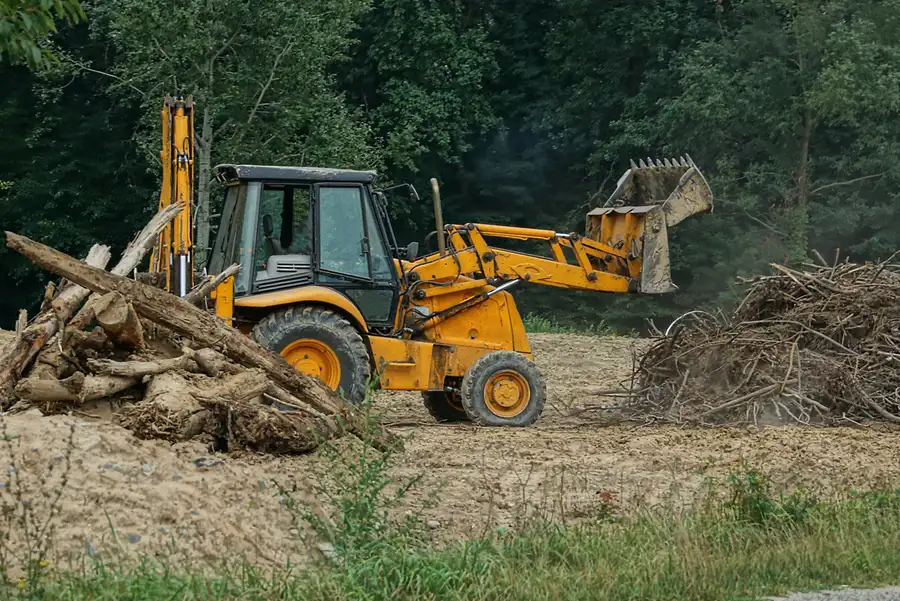
Vegetation control plays a critical role in maintaining a safe environment. When plants grow unchecked, they can create hiding spots for pests or block emergency access routes. More importantly, dry or dead vegetation increases the risk of fires. By implementing regular land clearing, you reduce these risks significantly. It helps ensure that pathways remain clear and the property stays accessible during emergencies.
Preventing Structural Damage
One often overlooked benefit of land clearing is its impact on preventing structural damage. Trees growing too close to buildings can lead to root intrusion, damaging foundations and underground utilities. Regular maintenance avoids these costly repairs. Moreover, branches hanging over structures can break during storms, causing additional damage. Keeping these potential issues in check protects your investments long term.
Fire Risk Reduction Through Proper Maintenance
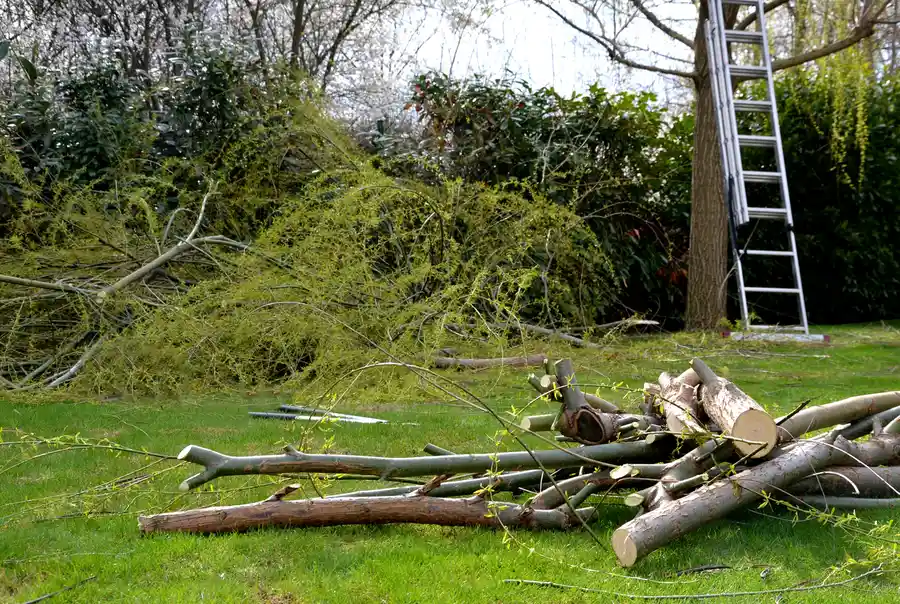
A key advantage of maintaining clear land is reducing fire hazards. By removing excess brush and debris, you lower the chances of wildfires spreading across your property. This preventive measure is especially crucial in areas prone to dry conditions and high winds. Routine inspections help identify vulnerable spots where fire could ignite and spread quickly, providing a safer environment for all occupants.
Steps to Manage Your Property’s Vegetation
- Assess the current state of your property’s vegetation.
- Identify areas with excessive growth or accumulation of debris.
- Plan regular maintenance schedules throughout the year.
- Hire professionals for large-scale removal tasks as needed.
- Monitor changes and adjust plans accordingly for ongoing safety.
Best Practices for Effective Vegetation Management
Adopting best practices ensures effective and sustainable vegetation management. Regular trimming prevents excessive growth around structures and paths. Using mulch helps retain soil moisture while suppressing weeds naturally. Additionally, diversifying plant species supports a balanced ecosystem on your property, promoting healthier growth overall.
Cost Considerations of Vegetation Management
When planning for vegetation management, considering costs is important. Immediate expenses might include hiring professional services or purchasing equipment. However, these upfront costs often pale in comparison to potential repair bills if structural damage occurs due to neglect. Prioritizing safety through consistent upkeep offers value by preserving both your property and peace of mind.
Your Partner in Safe Property Maintenance
Having a reliable partner for managing land safety concerns makes a difference. At Your Way Lawn and Tree, we prioritize protecting your property from potential hazards. Located in Greensboro, NC, our team provides tailored solutions based on specific needs. Call us today at (336) 338-9057 to discuss how we can enhance your property’s safety through comprehensive vegetation management strategies.